


How to Watch Classic Movies Together From Different Countries
- Category: Pics |
- 28 Oct, 2026 |
- Views: 523 |
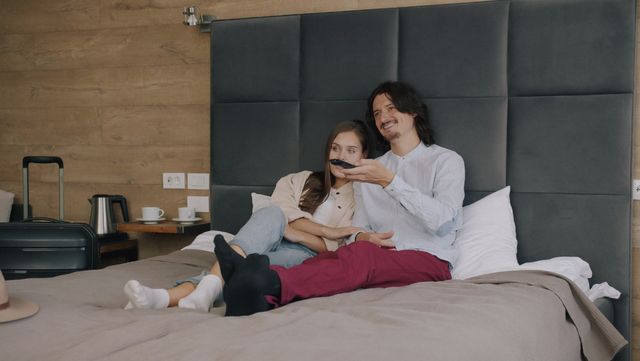
Cinema has always been a communal ritual. Sitting in a darkened room with someone who lives six thousand miles away sounds wildly futuristic on paper, yet modern digital tools make it completely feasible. Whether you want to explore a witty 1930s screwball comedy or a tense 1950s courtroom drama, co-watching transforms an ordinary evening into an engaging social event. Miles dissolve. You laugh at the exact same physical gag at the exact same split second.
Long-distance couples, families scattered across hemispheres, and international pen pals lean on these shared experiences to keep connections strong. Recent surveys on remote social habits indicate that roughly 58% of digital natives feel co-streaming movies creates stronger emotional bonding than standard phone calls. Vintage films carry a unique appeal for virtual gatherings because they invite running commentary. The theatrical dialogue rhythms, antique fashion, and grand orchestral scores provide continuous conversation starters throughout the screening.
Licensing Hurdles and Public Domain Gems
Streaming rights represent the biggest headache for international movie buffs. A title available on a subscription catalog in North America might be entirely absent in Europe or Asia. Commercial platforms enforce digital borders, leaving international viewers staring at frustrating regional blackout notices. Fortunately, vintage cinema offers a refreshing way around this corporate maze. A massive selection of foundational film history lives inside the public domain. Preservation studies from the Library of Congress suggest that approximately 75% of American silent feature films are lost forever, but thousands of early sound features from the 1920s through the late 1950s remain legally open for everyone.
Digital preservation libraries, university archives, and open-source media sites host sharp digital restorations of these historical treasures. Because corporate distributors do not control exclusive broadcast rights across borders, you and your viewing partner can pull up the exact same file at zero cost. No surprise regional blocks. No sudden paywalls. You get unrestricted access to timeless storytelling regardless of what country you call home.
Picking the Right Synchronization Software
Trying to count down over a phone call—three, two, one, press play—rarely works out. One person ends up three seconds ahead, reacting to a dramatic plot twist before the other viewer even hears the musical cue. Modern synchronization tools resolve this annoyance by locking video playback clocks together through a shared digital room. When one person pauses the feed to answer the door, the other person's video freezes instantly.
Free browser extensions and web-based watch rooms keep video streams aligned with an average latency under 150 milliseconds. If you prefer to stream locally saved digital files rather than relying on browser-based players, open-source synchronization utilities coordinate local desktop media players over a quick connection. Each participant stores a copy of the video file on their personal machine, while the program manages the timestamps. The playback remains crisp and never buffers.
Mastering Audio Balance Without Annoying Echo
Catching the fast-paced lines of an old-school detective story requires clean sound management. Nothing destroys cinematic immersion faster than poor audio calibration. When someone routes movie audio through loud desktop speakers while leaving a sensitive microphone active, the dialogue bounces straight back into the voice call in an awful mechanical loop.
Everyone must wear headphones. That single habit saves the entire evening. Use a reliable voice application equipped with automatic background noise reduction so mechanical keyboard clicks and room noise stay muted. Keep the movie stream volume at around 60%, while pushing your companion's voice channel up to 85%. That deliberate separation ensures you never miss a whispered line of dialogue while still catching every funny observation your friend makes.
Expanding Your Circle of Cinephile Friends
Your local friends might not share your burning enthusiasm for silent comedies or black-and-white suspense thrillers. When your everyday circle prefers modern superhero blockbusters, finding someone who wants to analyze vintage lighting techniques can feel daunting.
The web bridges this gap by connecting niche hobbyists across oceans through online clubs, historical forums, and live interactive platforms. If you want to stretch your social wings or chat with people from diverse backgrounds before organizing a private movie night, exploring spontaneous video spaces like Omegle Fun can spark lively interactions with fellow culture enthusiasts around the globe. You can casually swap director recommendations, debate classic cinema trivia, and perhaps meet an eager viewing partner who shares your exact tastes.
Balancing Drastic Time Zone Differences
Clocks can be stubborn. When it is 8:00 PM on a Friday in New York, it is already Saturday morning in Tokyo. Attempting to force an overseas companion to stay awake until 3:00 AM usually ends with someone snoring halfway through the second act. Sleep wins every time.
Smart scheduling relies on crossover hours. A shared "coffee and supper" screening works remarkably well: one friend drinks morning coffee while the other unwinds with late-night dessert. Pick a realistic ninety-minute window on a shared calendar, leave a ten-minute buffer for initial technical checks, and treat the date as an unbreakable appointment. Consistency keeps long-distance traditions alive month after month.
Taming Bandwidth Spikes and Latency Drops
Unstable connections ruin the mood quickly. An emotional climax loses its punch when the video suddenly degrades into a blurry pixel mess or pauses to buffer. Data traveling through undersea cables can encounter routing traffic during evening hours, causing international ping rates to spike well beyond 250 milliseconds.
To keep playback steady, drop shared screen-sharing resolutions down to standard 1080p or even 720p. Older titles originally shot on physical celluloid look surprisingly sharp at 720p, meaning you sacrifice very little visual texture while cutting data transfer demands in half. Furthermore, plugging your computer into a wired router cable rather than relying on home Wi-Fi reduces packet drops and keeps playback locked in perfect harmony.
The Essential Post-Film Debrief
Never shut your laptop the moment the end credits appear. The conversation right after the movie is half the fun of watching anything together. Keep your call running, listen to the closing soundtrack, and share your raw first impressions while the mood still lingers.
Compare your ratings on community movie logging apps, discuss how social perspectives have changed across the decades, and pick out the title for your next session. These shared rituals turn solitary screen time into genuine connection. Physical distance quickly fades into the background when you travel back into cinema history together, one reel at a time.