


How Online Content Trends Are Redefining Modern Search Behavior
- Category: Pics |
- 8 Oct, 2026 |
- Views: 305 |
Users shape their search habits long before they open Google. Hours spent on short videos and social feeds create specific expectations. SEO experts track these patterns closely to stay ahead in 2026.
Why Different Verticals Adapt at Different Speeds
Different industries react at unequal speeds to these search changes. News outlets update real-time signals quickly. E-commerce sites test visual search tools within months of new capabilities.
Regulated sectors face extra pressure from compliance rules and fierce competition. Some verticals must stay 12 to 18 months ahead of general market trends simply to survive. While most niches only begin to adapt to multimodal search and AI-generated context, the experience of seo for porn shows specialists combine deep behavioral pattern understanding, technical precision and ongoing trend monitoring to stay visible under maximum competition and strict algorithmic constraints.
The Symbiotic Relationship Between Content Trends and Search Behavior
Content consumption and search behavior fuel each other in a continuous loop. Shifts in video length, tone, delivery style and channel alter how users phrase queries. Search engines no longer simply match terms. They predict intent formed by previous content experiences.
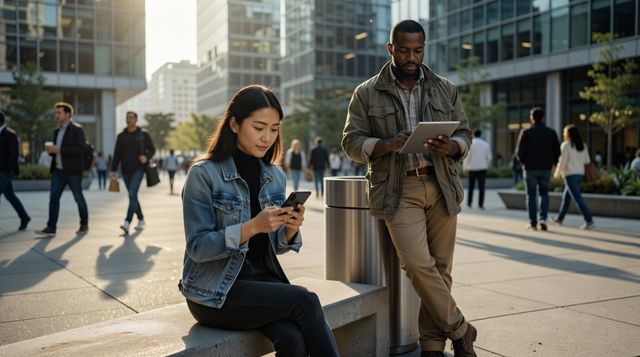
Search behavior draws 60 to 70 percent of its cues from TikTok, YouTube and Instagram before users reach Google. Generation Z starts searches on TikTok 2.5 times more often than on Google according to 2026 data. One viewer absorbs 15-second explanations and then demands instant visual answers. Another reads raw user comments and expects authentic voices in every result set.
Key Content Trends Driving Search Evolution
Short-form video became the primary information source by 2026. Users replaced broad queries with precise demands such as “how to fix dripping faucet in 30 seconds” instead of “comprehensive faucet repair guide.” They expect demonstrations they can follow immediately.
AI-generated content exploded across feeds. Searchers now ask “how to detect AI written product reviews” and “best human-edited alternatives to AI summaries.” This surge created demand for transparency markers and source verification.
Authenticity and user-generated content regained strong traction. People search for “real buyer experiences with noise cancelling headphones” rather than generic review pages. They favor unfiltered videos and forum threads over polished marketing materials.
Visual and voice search grew rapidly. Users upload photos and type “identify this insect bite” or speak “find vegan restaurants open now within 2 miles.” Multimodal queries combine text, image and voice in single sessions. Each trend produced measurable changes in query structure and expected format of answers.
From Keyword Thinking to Intent and Context
Social algorithms trained users to expect natural conversation. Queries evolved from transactional and informational toward conversational, predictive and implicit forms. People type full scenarios instead of isolated keywords.
TikTok, YouTube Shorts and Instagram Reels accelerated this shift. These apps popularized “how does,” “why is” and “what if” questions that later appear in Google. Users voice queries the same way they consume content — fluidly and in context. Algorithms that deliver instant relevance on social feeds raised expectations for speed and precision in traditional search.
SEO specialists now optimize for complete user scenarios rather than single keywords. They map context signals and predict follow-up questions. This approach aligns with how audiences actually behave in 2026.
The Zero-Click Reality and New Content Consumption Patterns
Zero-click searches already exceed 50 percent across many query types in 2026. Users receive direct answers through featured snippets or AI Overview summaries. This phenomenon forces creators to restructure content for immediate extraction.
Publishers adopt structured data, clear schemas, comparison tables and numbered lists. They write predictive sections that answer related questions before users ask them. The better the content satisfies the exact need, the less likely visitors click through to the site itself.
This paradox changes SEO success metrics. Teams shift focus from raw traffic numbers toward brand visibility, topical authority and direct answers that still build trust. Content that performs well in zero-click environments often wins long-term audience loyalty.
Building Future-Proof SEO Strategies in a Trend-Driven World
Teams succeed when they track dynamic user intent instead of static keyword lists. They create content that works across text, video, voice and image formats. Social signals from TikTok and similar apps provide early indicators of rising topics.
Brands that earn direct trust outperform those who only chase rankings. They monitor how audiences consume content on other networks and adjust formats accordingly. The winners in 2026 understand one core truth: the sites that best decode changing audience behavior driven by new content trends achieve sustainable visibility.