


The Evolution of Digital Gaming and Sports Culture
- Category: Pics |
- 25 Sep, 2026 |
- Views: 314 |
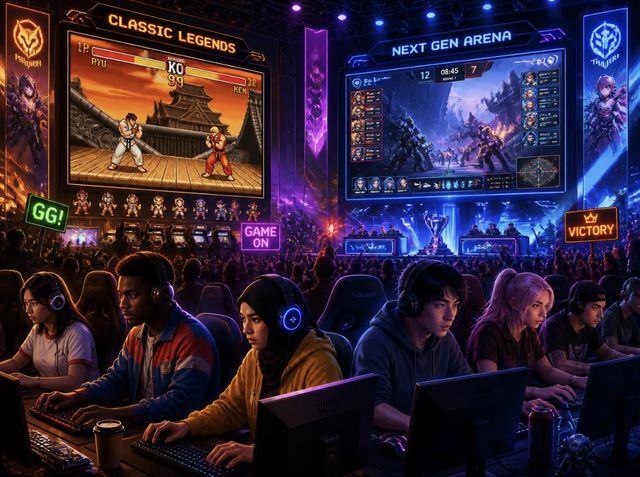
The boundaries between digital gaming, interactive entertainment, and traditional sports culture have completely dissolved. What was once a segmented media landscape has rapidly evolved into a singular, interconnected ecosystem. Today's audiences no longer just watch matches; they actively participate through eSports, fantasy leagues, and interactive platforms. This structural shift is redefining how consumers approach entertainment, effectively transforming passive spectators into active, engaged participants.
This convergence is particularly evident in rapidly growing digital markets, where brands are leading the transformation by offering fully integrated experiences. A prime example is the platform Rojabet, which stands out as a premier casino Chile destination, perfectly illustrating how competitive sports culture and digital gaming can seamlessly merge to deliver a comprehensive, modern entertainment experience.
Key Drivers Behind the Entertainment and Sports Convergence
Several technological and cultural catalysts have accelerated the integration of these major industries. The transition is primarily fueled by user demand for real-time engagement and immersive digital environments. The main drivers include:
• Mobile Technology Proliferation: Ubiquitous high-speed mobile internet allows users to stream live sports, play interactive games, and engage in eSports from any location, erasing the barrier between home entertainment and on-the-go media.
• Gamification of Sports: Traditional sports franchises are actively utilizing digital gaming mechanics, such as loyalty rewards, digital collectibles, and interactive predictions, to capture and retain younger demographics.
• Cross-Platform Integration: Modern entertainment ecosystems allow fluid movement between watching a live football broadcast and engaging with dynamic, in-play digital interactions.
• Data Analytics and Personalization: Advanced algorithms now tailor gaming and sports content to individual user preferences, significantly increasing average session durations and engagement metrics.
The Impact on Fan Demographics and Market Growth
The strategic integration of gaming and sports has drastically altered user demographics, proving that the modern sports fan is deeply embedded in the digital economy. Industry analyses indicate a heavy overlap between video game enthusiasts, sports fans, and digital gaming platform users. Key data points highlighting this shift include:
• Engagement Rates: Interactive sports and gaming platforms report a 40% higher user retention rate compared to traditional, passive digital media outlets.
• Revenue Diversification: Global sports organizations currently attribute over 20% of their digital revenue directly to gaming partnerships, licensing, and interactive online ecosystems.
• Audience Age Shift: The core demographic for hybrid sports-gaming entertainment platforms now falls heavily between the ages of 21 and 35, indicating a generational shift in how sports are consumed.
Future Trends in Interactive Entertainment
As virtual reality (VR) and augmented reality (AR) technologies mature, the intersection of these fields will become strictly embedded in consumer hardware. Fans will soon have the ability to virtually sit courtside while simultaneously accessing real-time player statistics and interactive gaming overlays. The industry focus will remain sharply on delivering high-speed, frictionless, and secure environments that bridge the gap between physical athletics and digital play.
Frequently Asked Questions (FAQ)
How does digital gaming enhance traditional sports culture?
Digital gaming enhances traditional sports culture by introducing interactivity and continuous daily engagement. Instead of only interacting with a sport on match day, fans use digital platforms, eSports simulations, and interactive gaming apps to stay connected to their favorite teams, statistics, and athletes throughout the week. This symbiotic relationship increases overall live sports viewership while simultaneously driving consistent traffic to gaming platforms, creating a robust, 365-day participatory entertainment ecosystem.