


What Has Changed in Online Casino Game Design
- Category: Pics |
- 14 Sep, 2026 |
- Views: 212 |

What Has Changed in Online Casino Game Design
Online casino game design has changed considerably as digital play has moved from desktop computers to a much wider range of devices. Developers now consider screen size, session length, controls, loading speed, sound settings, and access to information from the earliest design stages. Visual presentation still matters, but modern design also focuses heavily on how players interact with each screen.
Player habits have contributed to that shift. Many people now access digital entertainment during shorter periods rather than setting aside a long session. A player may open a game for several minutes on a phone, leave it, and return later. Casino platforms such as rollambia sit within this broader pattern of on-demand digital entertainment, where users expect controls and information to remain easy to understand on smaller screens.
Mobile Screens Changed the Basic Layout
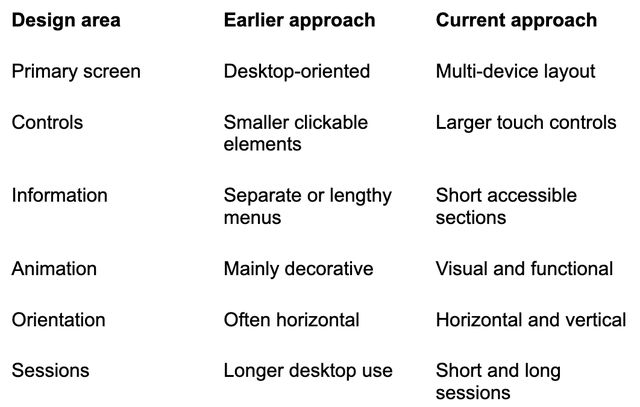
Earlier online casino titles often treated desktop computers as the main platform. Large monitors gave designers room for wide menus, detailed backgrounds, information panels, and numerous controls. Smartphones forced teams to reconsider those choices.
A small touchscreen requires larger buttons and careful spacing. Designers also need to decide which information deserves a permanent place on the main screen and which details can sit inside a separate menu. These decisions affect slots, table games, and other casino formats.
Portrait orientation has also gained more attention. Players often hold phones vertically, so developers can no longer assume that every user will rotate a device. Some games now arrange controls, symbols, and menus around a narrow vertical display from the start.

Interfaces Now Require Less Effort
Casino interfaces once included many decorative elements that occupied substantial screen space. Current layouts often place greater attention on practical controls. Players usually need immediate access to stake settings, game rules, sound controls, and account-related information.
Several design priorities now appear frequently:
• large controls that work well on touchscreens;
• clear displays for balances and stake values;
• short menus with recognizable functions;
• readable text on compact displays;
• easy access to rules and payout information;
• visual feedback after a player presses a control.
This approach does not mean that developers have abandoned detailed graphics. Instead, teams need to balance visual elements with usability. A screen can contain elaborate artwork while still keeping the main controls easy to locate.
Animation Plays a More Functional Role
Animation has long formed part of casino game presentation, but its role has expanded. Designers now use movement to communicate what happens during play. A short animation can show a change in a game state, identify a feature, or direct attention toward a result.
At the same time, excessive motion can make information difficult to follow. Designers therefore need to control timing and frequency. Long sequences may also frustrate users during short sessions, especially when someone wants to check a result quickly.
Sound follows a similar principle. Music and effects can support the visual structure, but many people play with muted audio. As a result, important information cannot depend entirely on sound. The screen itself needs to communicate each relevant event.
Game Information Has Become More Visible
Modern players often expect direct access to rules, payout details, feature explanations, and stake information. That expectation affects the way teams organize supporting content.
Instead of placing every explanation on one long page, designers can divide information into short sections. A player can then open the relevant section without leaving the main interface for an extended period.
Clear information also reduces confusion around symbols and features. When a game includes several mechanics, designers need to explain what each element does without filling the main screen with text.
Short Sessions Affect Game Structure
Mobile use has encouraged designers to think more carefully about time. A player may enter a game while waiting for transport or during another brief break. The interface therefore needs to become understandable quickly.
Lengthy introductions and complicated menu sequences can interfere with this type of use. Many designs now place the central game screen close to the opening point and keep secondary settings elsewhere.
This change also affects tutorials. Instead of forcing users through long explanations, a title can introduce information when it becomes relevant. Short prompts can explain controls or features without interrupting the entire session.
Accessibility Receives More Attention
Accessibility now plays a larger role in digital interface planning. Text size, contrast, button spacing, symbol clarity, and dependence on colour all affect whether people can understand a game comfortably.
Designers can use more than colour to distinguish important states. Symbols, labels, borders, and changes in shape can communicate information to users who have difficulty distinguishing certain colours.
Readable typography also matters on mobile devices. Decorative fonts may suit a visual theme, but they can create problems when developers use them for rules, values, or menu labels. Clear typefaces help users identify important information quickly.
Technical Performance Shapes Visual Decisions
Modern casino titles often contain detailed graphics, animation, sound, and interactive elements. Every addition requires processing power and data. Developers therefore need to consider performance while creating the visual presentation.
A game that loads slowly may create friction before play even starts. Heavy animation can also cause problems on older phones or unstable connections. Teams can reduce file sizes, manage animation carefully, and limit unnecessary visual assets.
This technical work directly affects design. Developers cannot treat performance as a separate issue because every graphical decision changes how the game behaves on real devices.
Design Continues to Follow Player Habits
Online casino game design now reflects a wider set of practical requirements than it did during the desktop-focused period. Mobile access has changed layouts, controls, orientation, text presentation, and session structure. At the same time, accessibility and technical performance have gained greater attention.
The central challenge remains straightforward: designers need to communicate information clearly while maintaining the visual identity of a game. Players interact through many screen sizes and under different conditions, so developers must account for those situations throughout production.
Future changes will likely continue to follow shifts in devices and user behaviour. The format may change again, but clear controls, readable information, responsive interfaces, and efficient performance will remain central parts of casino game design.