


How to Recover Faster After a Long Flight
- Category: Pics |
- 4 Sep, 2026 |
- Views: 885 |
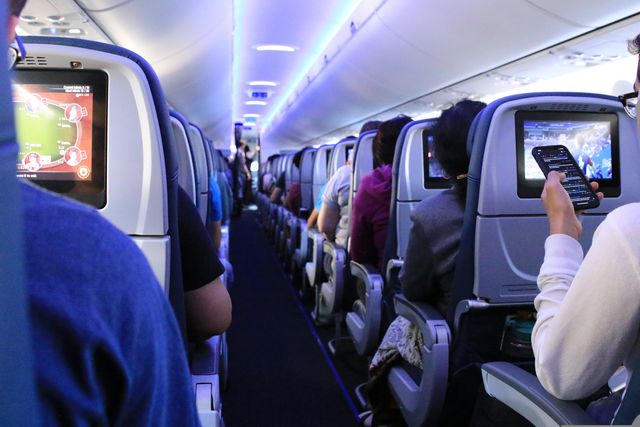
Long-haul travel places a surprising amount of strain on the body. Cramped seating, dry cabin air, shifting time zones, and disrupted meals all combine to leave passengers feeling drained hours after landing. The discomfort is not imaginary; it stems from real physiological changes triggered by extended immobility and altitude. Understanding what happens during a flight makes recovery far more manageable. With a few deliberate habits before, during, and after travel, the sluggishness that often follows a long journey can be reduced considerably.
Why the Body Feels Worse After Extended Air Travel
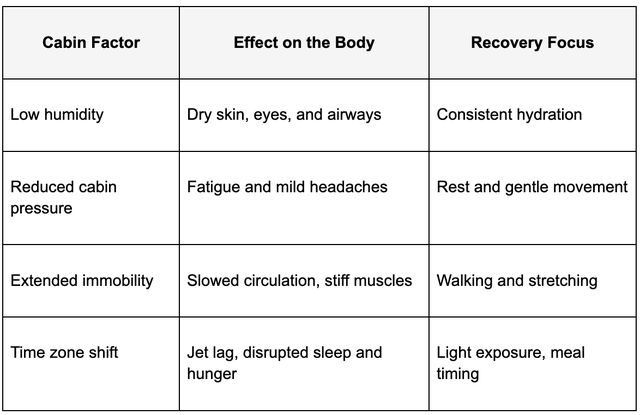
Cabin environments are engineered for safety and efficiency rather than comfort, and this trade-off affects the body in several ways. The air inside an aircraft carries very low humidity, which dries out the skin, eyes, and airways over the course of many hours. Reduced cabin pressure also lowers oxygen availability slightly, contributing to fatigue and mild headaches. When these factors combine with hours of sitting still, circulation slows and muscles stiffen.
Time zone changes add another layer of difficulty. The internal clock that governs sleep, hunger, and alertness cannot adjust instantly, so it falls out of sync with local time. This mismatch is what most travelers recognize as jet lag, and it can linger for several days if left unaddressed. The table below summarizes the main cabin-related stressors and their effects on the body:
Hydration and Nutrition That Support Recovery
Replacing lost fluids is one of the most effective steps toward feeling normal again. The dry cabin steadily depletes water reserves, and dehydration intensifies tiredness and mental fog. Drinking water consistently during and after the flight supports circulation and helps the body process the strain of travel. Alcohol and excessive caffeine work against this goal, since both encourage further fluid loss and can disturb sleep patterns already thrown off by the journey.
Food choices matter just as much as fluids. Heavy, salty meals can leave the digestive system sluggish, while lighter options rich in protein and vegetables provide steady energy without the discomfort of bloating. Timing meals to match the destination's schedule signals to the body that a new rhythm has begun. Small, balanced portions eaten at local mealtimes help the internal clock reset more smoothly than large meals consumed at random hours.
Movement, Rest, and Resetting the Internal Clock
Gentle activity after landing counteracts the stiffness built up from hours in a seat. A short walk, light stretching, or basic mobility exercises restore blood flow and ease tension in the legs and lower back. Movement also encourages alertness during daylight hours, which is essential for adjusting to a new time zone. Pushing straight into bed upon arrival often prolongs the adjustment period rather than shortening it.
Light exposure is one of the strongest tools for realigning the body clock. Spending time in natural daylight after arriving helps suppress the drowsiness that comes from a disrupted schedule. When the goal is to stay awake, bright surroundings support that effort; when sleep is finally appropriate, a dark and quiet room reinforces rest.
Downtime after a demanding trip does not have to mean complete inactivity. Many people prefer low-effort entertainment that keeps the mind mildly engaged while the body recovers. Casual gaming during quiet evenings suits this purpose well, and a yep casino promo code can stretch that leisure a little further without demanding any physical exertion. Keeping such leisure calm and unhurried fits naturally into a recovery routine centered on rest and gradual reengagement.
Practical Habits to Build Into Every Long Journey
Recovery becomes easier when preparation begins before departure rather than after arrival. A few consistent practices, applied across the entire trip, tend to produce the smoothest results. The following habits are simple to adopt and require no special equipment.
• Adjust sleep by an hour or two toward the destination time in the days before flying.
• Move around the cabin periodically to keep circulation active on long segments.
• Prioritize water over sugary or alcoholic drinks throughout the flight.
• Seek daylight soon after arrival to anchor the body to local time.
• Delay full sleep until the local evening whenever possible.
These measures work best in combination, since each addresses a different aspect of travel fatigue. Applied together, they shorten the recovery window and make the days following a flight far more productive.
Bringing the Recovery Routine Together
Feeling refreshed after a long flight depends less on luck and more on preparation and steady habits. Hydration, thoughtful eating, gentle movement, and well-timed light exposure each contribute to a faster return to normal. Jet lag and travel fatigue may be unavoidable to some degree, but their intensity can be managed. A traveler who understands the causes and responds with simple, consistent actions will spend far less time recovering and more time enjoying the destination.