


Interesting Historical Moments (12 pics)
- Category: Pics |
- Yesterday, 00:03 |
- Views: 1454 |

 |
|
Frozen instants that shaped centuries: a handshake that ended wars, a photograph that exposed injustice, a child’s chalk drawing that became a revolution symbol. These aren’t just archival images—they’re emotional time capsules. In their stillness lies the roar of change, reminding us that history isn’t distant—it’s human, urgent, and echoing.
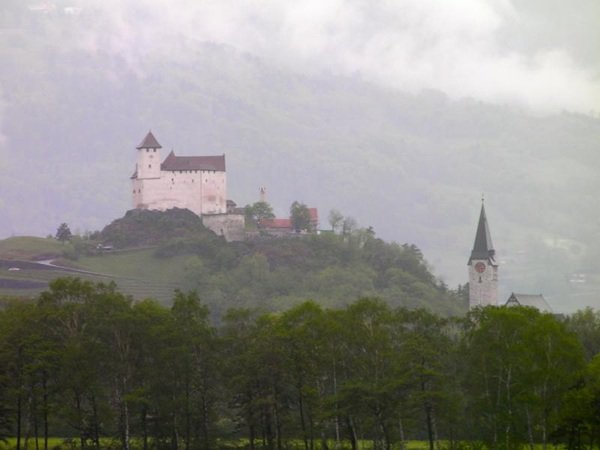
The Liechtenstein Invasion (1866)
In 1866, Liechtenstein sent an army of 80 men to participate in the Austro-Prussian War to guard a mountain pass. When the war ended, the contingent returned home with 81 men, having suffered zero casualties.
Apparently, they had befriended an Italian officer who decided to join them on their way back. It is the only known military campaign in history to end with a "negative" casualty rate.
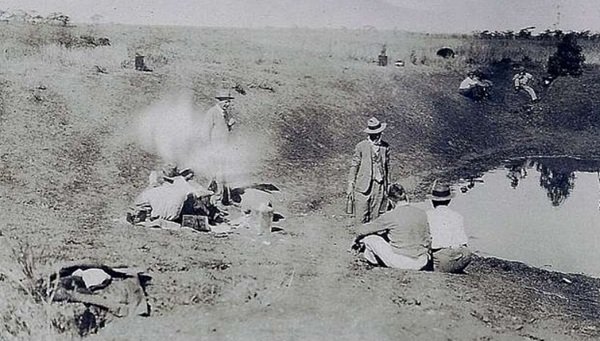
The Great Emu War (1932)
In 1932, the Australian military officially declared war on a flock of 20,000 emus that were destroying crops. The soldiers were armed with Lewis machine guns, but the emus proved to be surprisingly resilient and tactical, scattering in small groups to avoid fire.
After several weeks and thousands of rounds of ammunition, the emus effectively won, and the military was forced to withdraw. The "war" remains one of the most embarrassing defeats in avian-human conflict history.
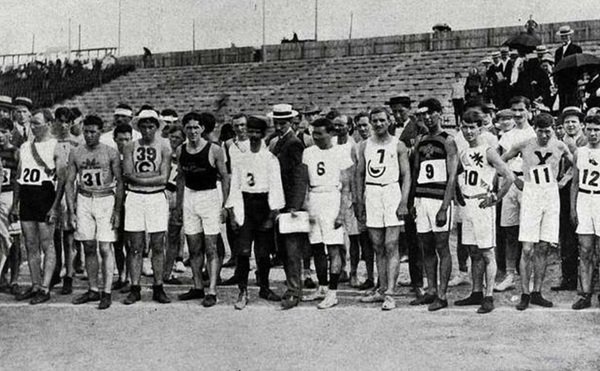
The 1904 Olympic Marathon
The 1904 St. Louis Olympic Marathon was a chaotic disaster from start to finish. The winner, Fred Lorz, drove 11 miles in a car after cramping, while the second-place finisher, Thomas Hicks, was kept going by his trainers with a mix of strychnine and brandy.
Another runner was chased a mile off course by aggressive stray dogs, and a Cuban postman ran in dress shoes and long pants. It is widely considered the most bizarre athletic event in history.
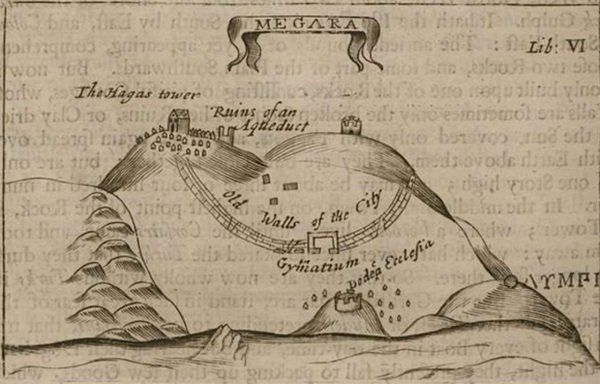
The Siege of Megara (266 BC)
During the Chremonidean War, Antigonus II Gonatas used war elephants to besiege the city of Megara. The Megarians, resourceful and desperate, coated local pigs in combustible pitch, set them on fire, and drove them toward the elephants.
The terrified squeals and sight of the flaming pigs caused the elephants to panic and stampede through their own ranks. The Megarians won the day, and "anti-elephant pigs" became a brief, albeit f*cking cruel, military trend.
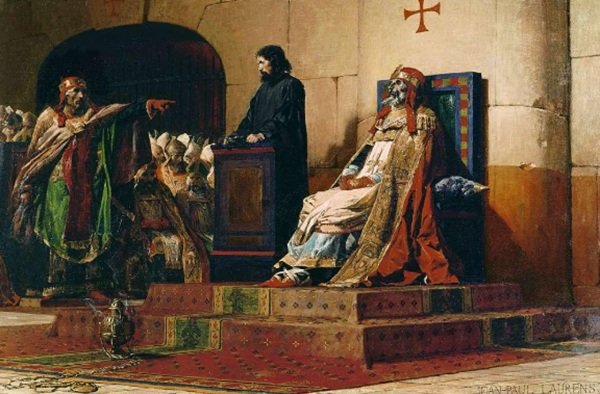
The Cadaver Synod (897 AD)
In one of the weirdest legal proceedings ever, Pope Stephen VI had the corpse of his predecessor, Pope Formosus, exhumed and put on trial. The rotting body was dressed in papal robes, placed on a throne, and assigned a deacon to answer for its "crimes."
Unsurprisingly, the corpse was found guilty, stripped of its vestments, and thrown into the Tiber River. The Roman public was so horrified that they eventually deposed and imprisoned Pope Stephen.
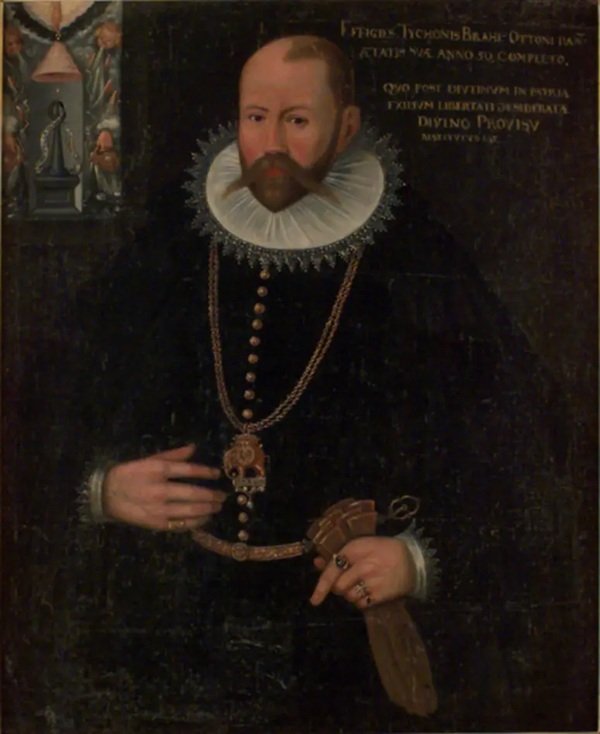
Tycho Brahe’s Drunk Elk
The 16th-century astronomer Tycho Brahe was famous for his wealth, his prosthetic gold nose, and his pet elk. Brahe frequently brought the elk to parties, where it would wander around and interact with guests. Unfortunately, at one dinner party, the elk drank a massive amount of strong beer, fell down a flight of stairs, and passed away.
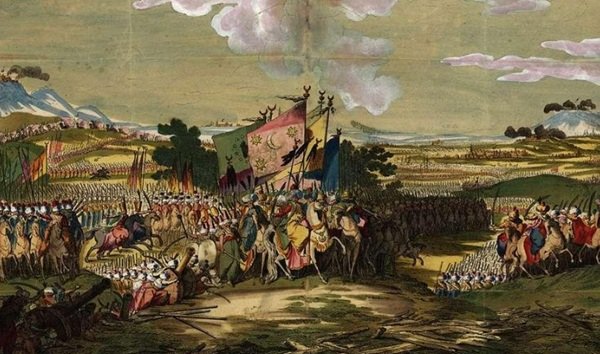
The Battle of Karansebes (1788)
In 1788, the Austrian army effectively defeated itself before the enemy even arrived. During a night march, different factions of the army got into a drunken brawl over schnapps, and a stray shot led everyone to believe the Ottoman Turks were attacking.
In the ensuing chaos, soldiers fired on their own comrades, and the Emperor himself fell into a ditch while fleeing.
When the actual Ottoman army arrived two days later, they found thousands of dead and wounded Austrians without having fired a single shot.
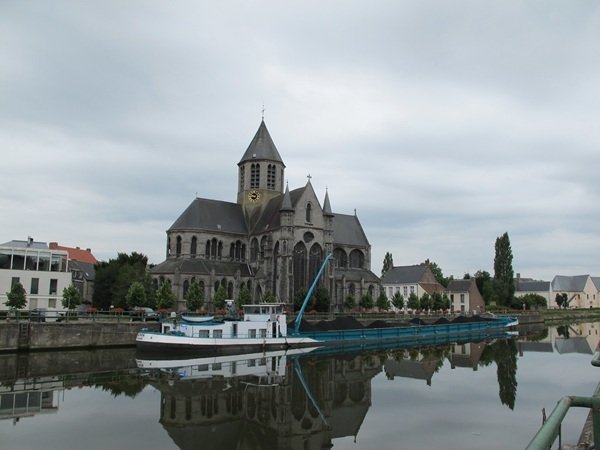
The Kettle War (1784)
The Holy Roman Empire and the Dutch Republic once went to "war" over navigation rights on the Scheldt River. The only shot fired during the entire naval engagement hit a soup kettle on the deck of a Dutch ship.
Seeing their cookware destroyed, the Dutch ship surrendered immediately. The conflict was settled shortly after, earning its place in history as the "Kettle War."
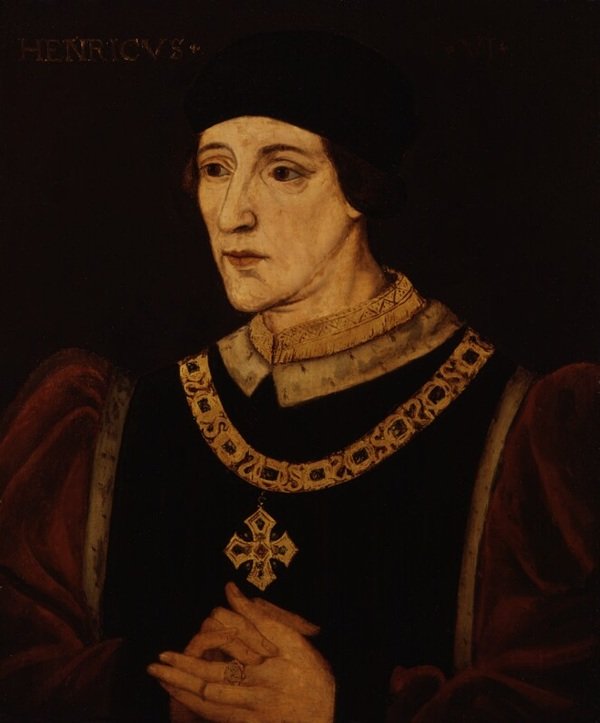
Erfurt latrine disaster
King Henry VI called a meeting of nobles at the Petersberg Citadel in Erfurt to settle a land dispute. The weight of the assembled high-ranking officials proved too much for the wooden floor of the cathedral's second story. The floor collapsed, plunging the nobles into the large latrine cesspit located directly beneath them. Around 60 people drowned in liquid excrement, while the King survived only by clinging to a stone window ledge.
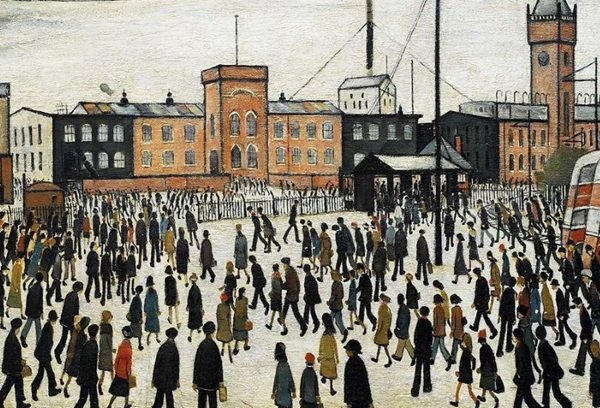
The Manchester Mummy (1790s)
Hannah Beswick was a wealthy woman with a pathological fear of being buried alive. In her will, she requested that her body be kept above ground and checked daily for signs of life for as long as possible.
Her doctor complied by embalming her and keeping her in a grandfather clock case for over 50 years. She eventually became a local tourist attraction known as the "Manchester Mummy" before finally being buried in 1868.
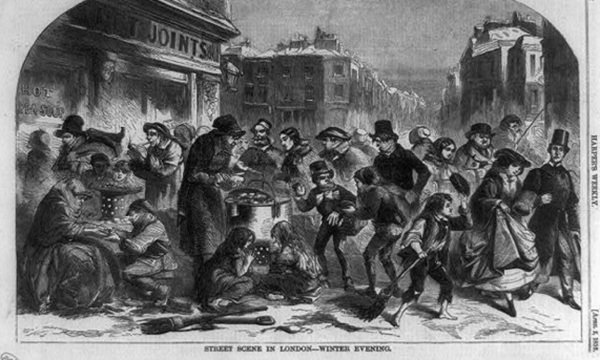
The London Beer Flood (1814)
A massive vat at the Meux & Co Brewery burst, causing a domino effect that ruptured several other tanks. Over 300,000 gallons of beer flooded the streets of London in a 15-foot-high wave.
While the event was tragic for some, it led to the surreal sight of people scooping beer out of the gutters with pots and pans. Legend has it that some locals even died of alcohol poisoning from trying to drink the flood.
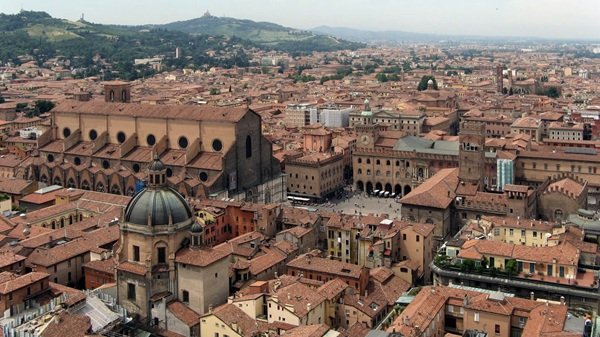
The War of the Oaken Bucket (1325)
A war broke out between the Italian city-states of Modena and Bologna after Modenese soldiers snuck into Bologna and stole a wooden bucket from a well. The Bolognese were so insulted by the theft that they launched a full-scale invasion to retrieve the bucket. Thousands of soldiers died in the ensuing Battle of Zappolino, which Modena won. To this day, the original stolen bucket is still on display in a bell tower in Modena.