


Interesting Facts (19 pics)
- Category: Pics |
- Yesterday, 00:03 |
- Views: 1657 |

 |
|
Octopuses have three hearts. Bananas are berries, but strawberries aren’t. Honey never spoils. These truths hide in plain sight, waiting to rewire your understanding of the everyday. Each fact peels back reality’s skin, revealing a world far stranger—and more wondrous—than fiction ever imagined.
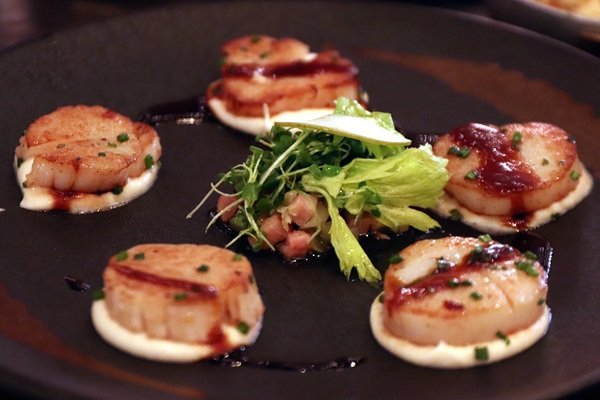
Scallops have teeth and eyes up to 200.

Due to ocean tides and earthquakes days get longer by 1.7 milliseconds each century.
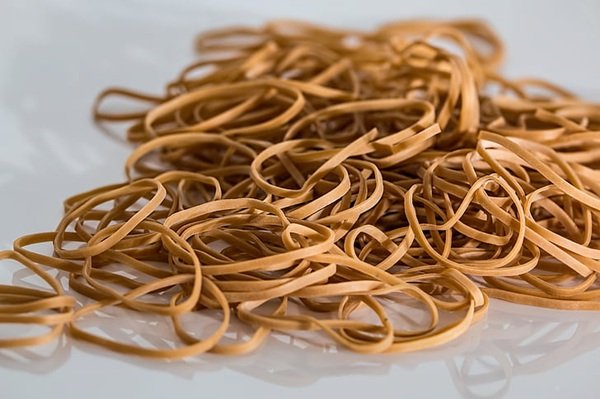
It takes between 813 and 982 rubber bands to crush a human skull.

The position your tongue sits in in your mouth usually depends on what your first language is.

The longest English word is 189,819 letters long and it would take three and a half hours to say out loud.

If you lose the little cup to a Nyquil or Zzzquil bottle, to achieve a 30 mL dose you require 4 capfuls filled to the inside rim.

The largest piece of fossilised dinosaur poo discovered is over 30cm long and over two litres in volume.

There’s no such thing as zero-calorie foods. Even low-calorie foods, such as celery and watercress, contain more energy than the body needs to process them.
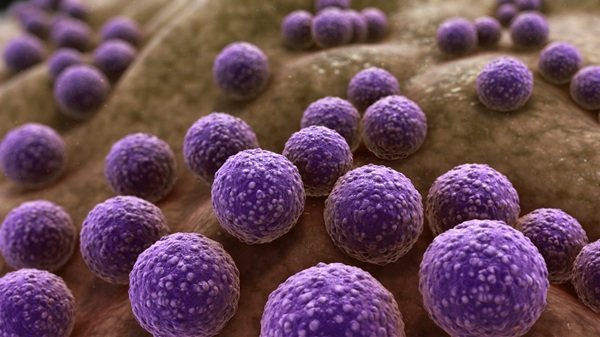
All the world’s bacteria stacked on top of each other would stretch for 10 billion light-years.

The world’s oldest dog lived to 29.5 years old.

The world’s oldest cat lived to 38 years and three days old.

Wind turbines kill between 10,000 and 100,000 birds each year in the UK.

Snails have teeth. Between 1,000 and 12,000 teeth, to be precise.

A study in 2016 purports that among men, a larger signature correlates with higher social bravado and, among women, a bigger signature correlates with narcissistic traits.

One in 18 people have a third nipple.

Deaf people are known to use sign language in their sleep.
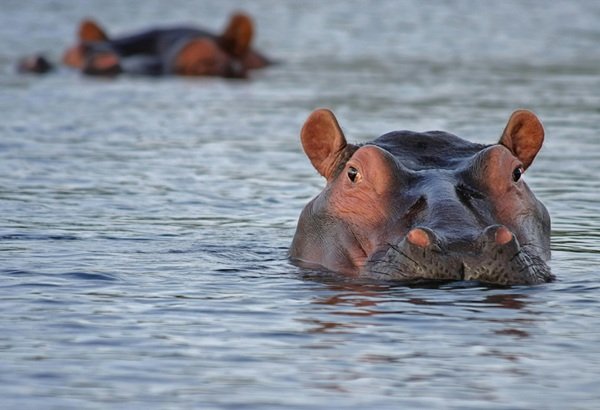
Hippos don't swim, they sink to the bottom of the riverbed and gallop in slow motion.

In 2013, a woman required surgery to remove feces build up as she was constipated for 45 days.
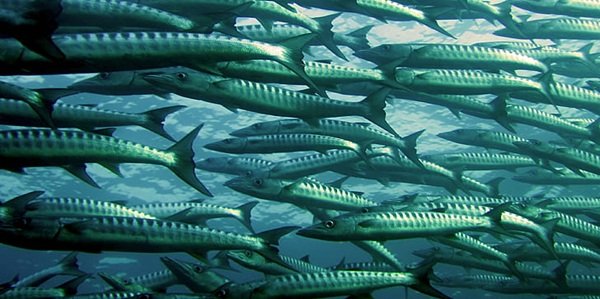
Studies have shown that even in emergencies, fish form orderly queues in order to not clog things up.