


Factors and Analysis: Understanding Oil Price Movements
- Category: Pics |
- 8 May, 2024 |
- Views: 450 |
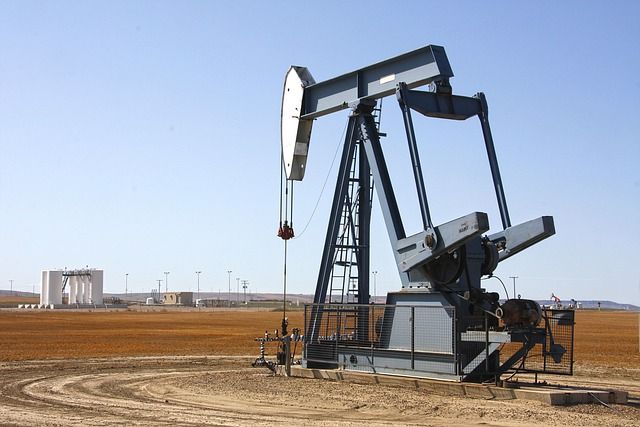
The price of oil plays a pivotal role in the global economy, impacting everything from the cost of transportation to the price of everyday goods. This article provides insights into the historical trends, supply and demand dynamics, speculative trading, technological advancements, environmental regulations, and the future outlook for oil prices. Additionally, if you want to learn about investments, specifically those related to the oil sector, and companies that can teach them about this topic, visit https://petro-momentum.com/.
Historical Trends in Oil Prices
Oil prices have undergone substantial fluctuations over the years, marked by pivotal moments like the oil crises in the 1970s and the 2014 oil price crash. These historical trends hold critical lessons for us, as they highlight the influential role of events like Middle East conflicts and OPEC production agreements in shaping oil prices. By examining the past, we gain insight into the cyclical nature of the oil market and the significance of staying informed about global developments in the energy sector.
Supply and Demand Dynamics
The Role of Supply
The supply side of the equation is influenced by factors like OPEC and non-OPEC production levels. Geopolitical tensions, conflicts, and sanctions also impact supply. Disruptions in major oil-producing regions can lead to sharp price spikes.
The Role of Demand
Global economic trends significantly influence oil demand. Economic growth in emerging markets, like China and India, has driven increased oil consumption. The transportation and industrial sectors are the primary drivers of oil demand, making their performance a critical factor.
Speculation and Financial Markets
Speculative Trading in Oil
Speculative trading, often by hedge funds and other investors, can exacerbate price volatility. Traders speculate on future price movements, sometimes amplifying market swings.
Impact of Financial Markets on Prices
Financial markets can exert substantial influence on oil prices. Investors view oil as an asset class, and movements in stock markets, interest rates, and currency values can affect oil prices.
The Role of Hedge Funds and Institutional Investors
Hedge funds and institutional investors often have significant positions in oil futures markets. Their trading strategies and risk management practices can either stabilize or destabilize prices.
Technological Advancements and Production Costs
Shale Revolution and Fracking
Technological advancements, such as hydraulic fracturing (fracking), have unlocked vast reserves of previously inaccessible oil. The shale revolution in the United States has disrupted traditional oil markets, making the U.S. a major player in global oil production.
Innovation in Exploration and Extraction
Continued innovation in exploration and extraction techniques has the potential to increase global oil reserves and influence production costs.
Impact on Oil Price Stability
Increased supply from technological advancements can lead to price stability, but it can also create challenges for oil-producing nations relying on high prices to balance their budgets.
Environmental and Regulatory Factors
Climate Change Policies
Governments worldwide are implementing climate change policies, aiming to reduce greenhouse gas emissions. These policies can drive shifts toward cleaner energy sources and impact oil demand.
Environmental Regulations
Environmental regulations, such as stricter fuel efficiency standards and emissions controls, affect the demand for specific types of oil products, like low-sulfur fuels.
Their Influence on Oil Price Movements
As regulations increase, they may limit the growth in oil demand and alter the types of oil products in demand, affecting price dynamics.
The Future of Oil Prices
Emerging Energy Technologies
Advancements in renewable energy, electric vehicles, and alternative fuels pose a long-term challenge to oil's dominance as an energy source.
Transition to Renewable Energy
The global shift towards renewable energy sources, driven by environmental concerns and government policies, could reduce oil demand and lead to lower prices.
Implications for Oil Price Forecasts
Forecasting oil prices in this evolving landscape is challenging. Analysts must consider not only traditional supply and demand factors but also the impact of clean energy transitions.
Conclusion
As we navigate the complex web of factors influencing oil price movements, it becomes evident that predicting oil prices with absolute certainty is an elusive task. Historical trends, supply and demand dynamics, speculation, technology, regulations, and the transition to renewable energy all play crucial roles in shaping oil prices. The interconnected nature of these factors highlights the need for vigilance and adaptability in a world where the only constant in the oil market is change.